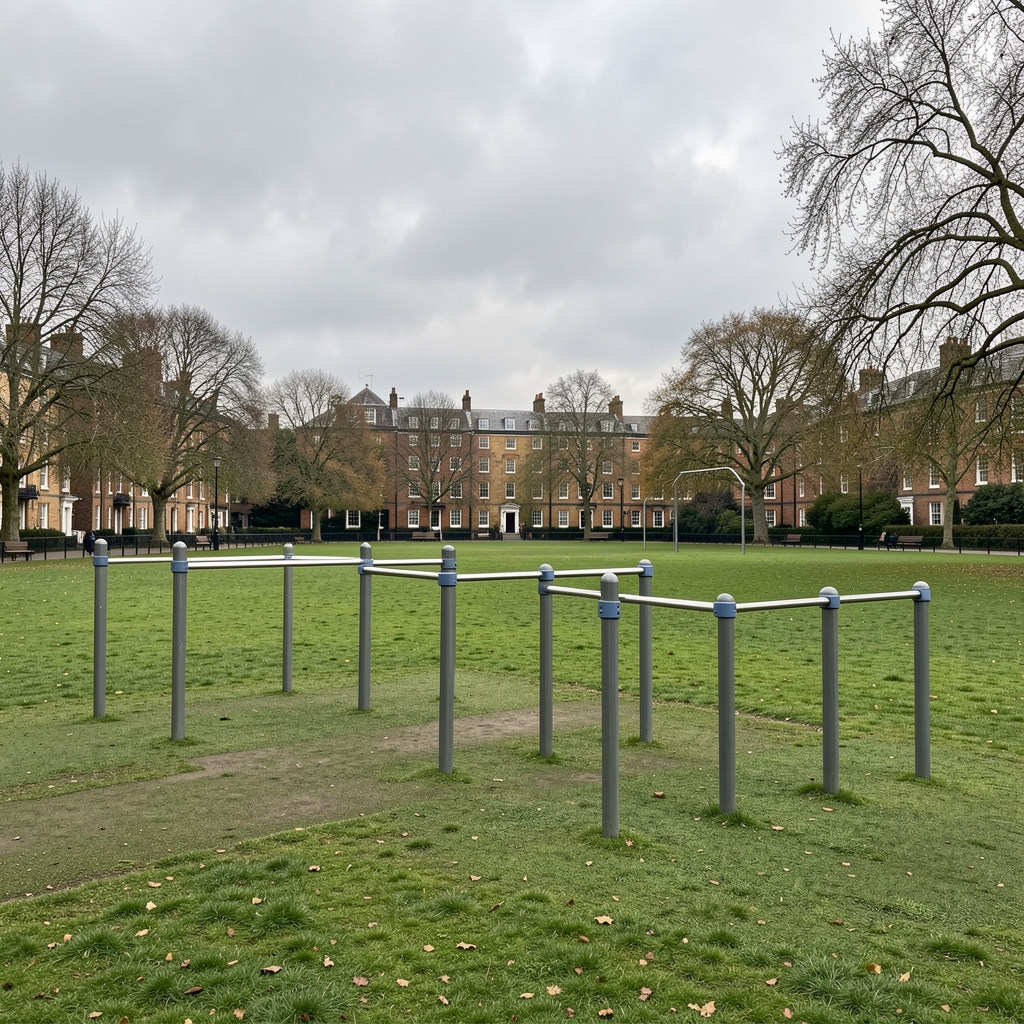
Outdoor park fitness area with parallel bars and open green space under overcast London sky
London · Independent Fitness Journal · Est. 2026

Training Without Walls.

An editorial record of bodyweight training, outdoor movement and everyday fitness without machines.

By the Numbers
47
Exercises covered
3
In-depth articles
0
Machines required
100%
Outdoor-compatible
Topics Covered

What We Write About

01 — Foundation

Calisthenics Basics

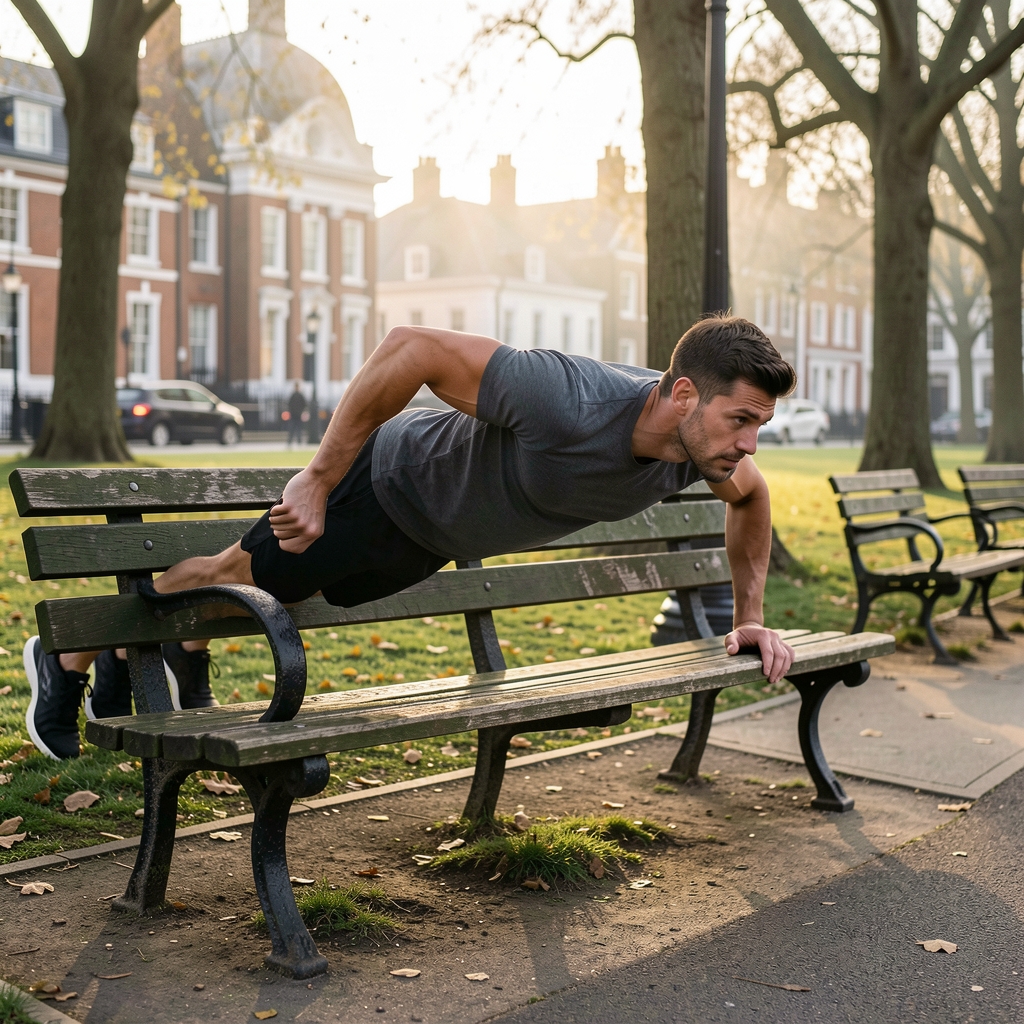
Push-up progressions, squat variations and plank series that build strength without relying on equipment. The body as its own resistance.

02 — Environment

Outdoor Fitness

Park workout ideas, playground fitness structures and outdoor running plans that use the city landscape as a training ground.

03 — Mobility

Flexibility & Movement

Mobility drills, flexibility routines and functional movement practices for active commuters and those building a home training programme.

04 — Conditioning

Hill & Stair Work

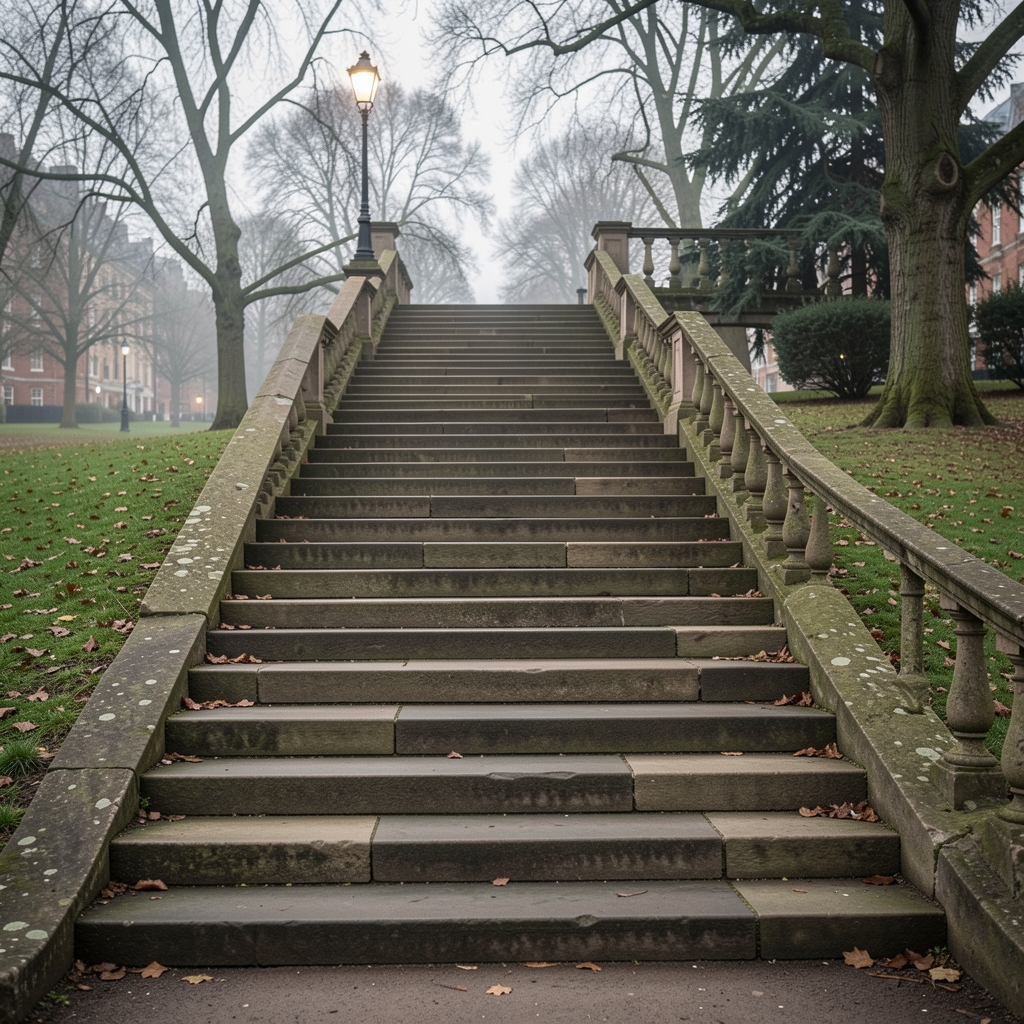
Hill sprints, stair workouts and resistance band training layered into weekly outdoor routines to build cardiovascular capacity.

05 — Daily Practice

Step Count & Commute

Active commuting tips and daily step count strategies that fold movement into the working week without additional time commitment.

06 — Pull & Push

Pull-Up Alternatives

A practical guide to developing pulling-plane strength without a dedicated pull-up bar, using park infrastructure and resistance band training.

04
About This Journal

Written without walls.
Edited without agenda.

Tarela Letters is an independent publication concerned with one question: what does it take to maintain a consistent, purposeful fitness practice when the gym is unavailable, unaffordable, or simply not preferred?

The journal covers bodyweight exercises, outdoor fitness routines and calisthenics approaches suited to city parks, staircases, pavements and living rooms. Each article is written by an editor or contributor with a specific angle — not a broad survey, but a considered piece on a narrow subject.

There are no advertisements for equipment. No affiliate links to training apps. The publication exists to document and share what works, observed across the outdoor fitness environments of London.
How We Work

Editorial Standards

Step 01

Subject Selection

Articles begin with a specific movement practice or outdoor environment. Editors propose topics from direct observation, not from keyword demand.

Step 02

Review & Verification

Each piece is reviewed by a second editor before publication. Factual claims are checked against published research. Sources are cited where appropriate.

Step 03

Corrections Policy

Errors are corrected publicly with a dated note on the relevant article. Writers disclose commercial relationships that may influence their subject selection.

Common Questions

About the Journal

Answers to the questions most frequently sent to the editorial address.

06

Articles are written by a small team of two primary editors — Tobias Whitfield and Alistair Marsden — along with invited contributors. Guest pieces are commissioned for specific subject areas outside the regular editorial remit, such as resistance band training or flexibility routines for desk workers.

Tarela Letters is an independent editorial publication. It is not affiliated with any equipment brand, fitness app, supplement company or commercial organisation. Writers disclose any relationships that could affect editorial judgement.

The core focus is no-equipment workout approaches — bodyweight exercises, calisthenics basics and outdoor fitness routines that require nothing beyond a flat surface and occasionally a park structure. A small number of articles reference resistance bands as an optional addition.

Most articles are written for men who are already active or resuming an interrupted fitness habit. Articles on push-up progressions and squat variations include entry-level options; the conditioning pieces on hill sprints and stair workouts assume a baseline of general fitness.

Pitches are welcomed by email at [email protected]. A brief description of the proposed subject (50–100 words) and any relevant writing samples are sufficient for an initial approach. The editorial team responds within five working days.